SIRFN Contributions at PowerTech2025
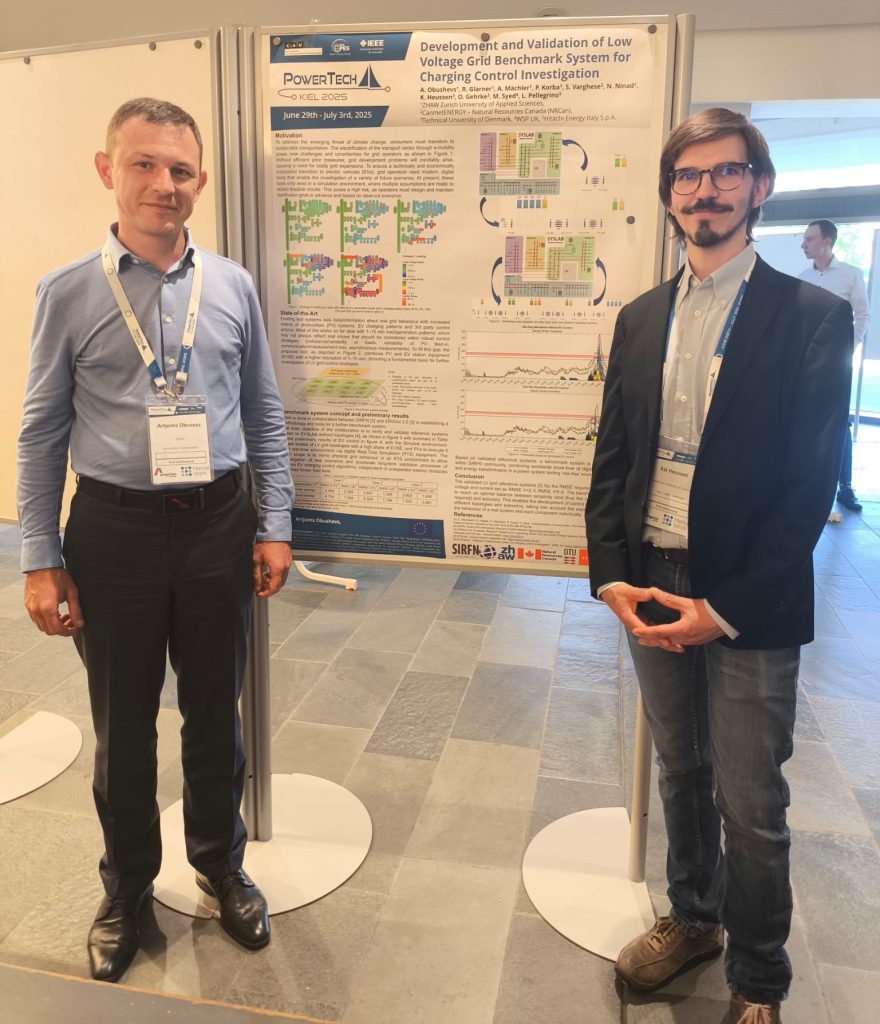
The 16th IEEE PowerTech conference took place last week in Kiel, Germany, under the theme “Powering the Energy System Transformation”.
ISGAN’s Working Group 5, known as the Smart Grid International Research Facility Network (SIRFN), was well represented by Artjoms Obusevs from the Zurich University of Applied Sciences (ZHAW).
TSO-DSO Coordination: the UK case
With increasing requirements for flexibility in electricity girds, coordination between operators of the transmission and distribution networks becomes increasingly crucial. This paper attempts to to capture the views and insights from experts within the UK on this topic and the UK experience.
Flexibility and stakeholder interaction questionnaire
ISGAN invites you to take part in our survey on flexibility in the power system until 30th of September.
Key Messages Annex 6 – Power Transmission & Distribution Systems

In this document we describe the Drivers for change regarding generation, grid, and demand; the Resulting consequences on operation and planning of the power transmission and distribution systems; and the Needs to ensure sustainability & security of supply with respect to technology, market innovations and policies.
Micro vs mega trends
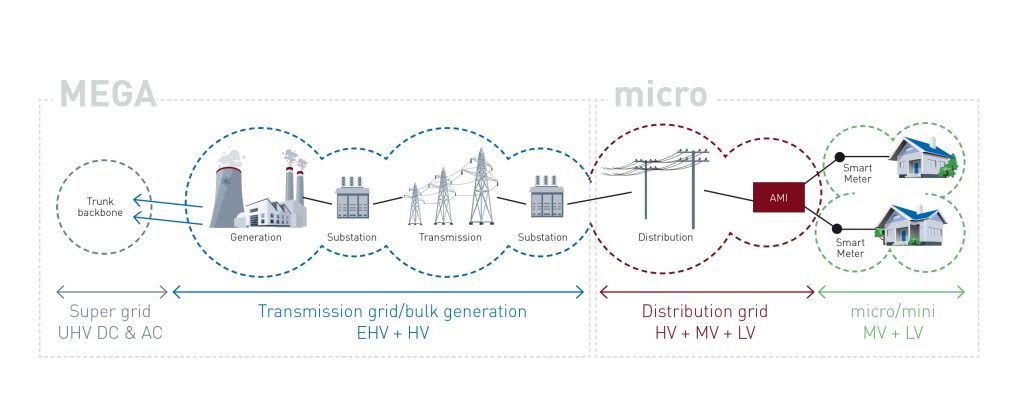
micro vs MEGA: trends influencing the development of the power system
Ancillary services from distributed energy sources
Ancillary services from distributed energy sources for a secure and affordable European system: main results from the SmartNet project
Flexibility In Future Power Systems

Power system flexibility: the ability to manage change
ICT aspects of TSO-DSO interaction
Data exchange and ICT requirements along organizational interaction between TSO and DSO
System Efficiency
In the era of deployment of a smarter and more sustainable energy system, an overall perspective of system efficiency becomes increasingly important.
Single Marketplace for Flexibility
To use this flexibility in a coordinated way, an ever closer cooperation between System Operators will be required. Several approaches for the coordinated use of flexibility for system balancing and congestion management are imaginable.