Webinar: Dynamic Virtual Power Plant to combine flexibilities of dispatchable and non-dispatchable RES – the POSYTYF project
18 November 2021 – 15:00 CET – ISGAN Academy Webinars invites you to discover the Dynamic Virtual Power Plant (DVPP) concept under development by the POSYTYF project.
Key Messages Annex 6 – Power Transmission & Distribution Systems
In this document we describe the Drivers for change regarding generation, grid, and demand; the Resulting consequences on operation and planning of the power transmission and distribution systems; and the Needs to ensure sustainability & security of supply with respect to technology, market innovations and policies.
Micro vs mega trends
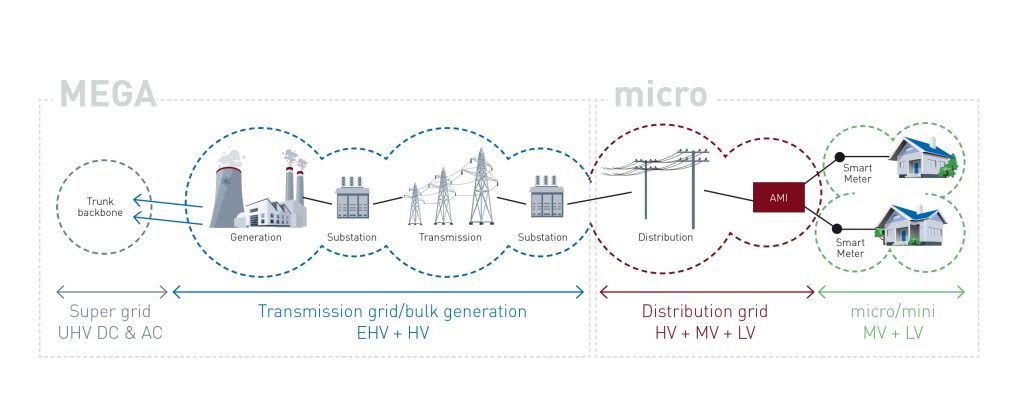
micro vs MEGA: trends influencing the development of the power system
Webinar: The need to model coupled energy networks to transition to a decarbonized future

The coordination between planners and operators of coupled energy systems will allow the further integration of renewable energy sources in the electricity network by storing energy in fuel form over long periods of time using power-to-gas, the recovery and more efficient use of heat, and the decarbonization of industrial processes and transportation modes that can’t be electrified.
Energy networks, such as electricity grids and natural gas pipeline networks, have traditionally been planned and operated independently. In order to enhance the integration and coordination of different energy networks, they must be planned and operated in coupled ways. Different energy networks have historically been and are still modelled by different tools.
Ancillary services from distributed energy sources
Ancillary services from distributed energy sources for a secure and affordable European system: main results from the SmartNet project
Flexibility In Future Power Systems
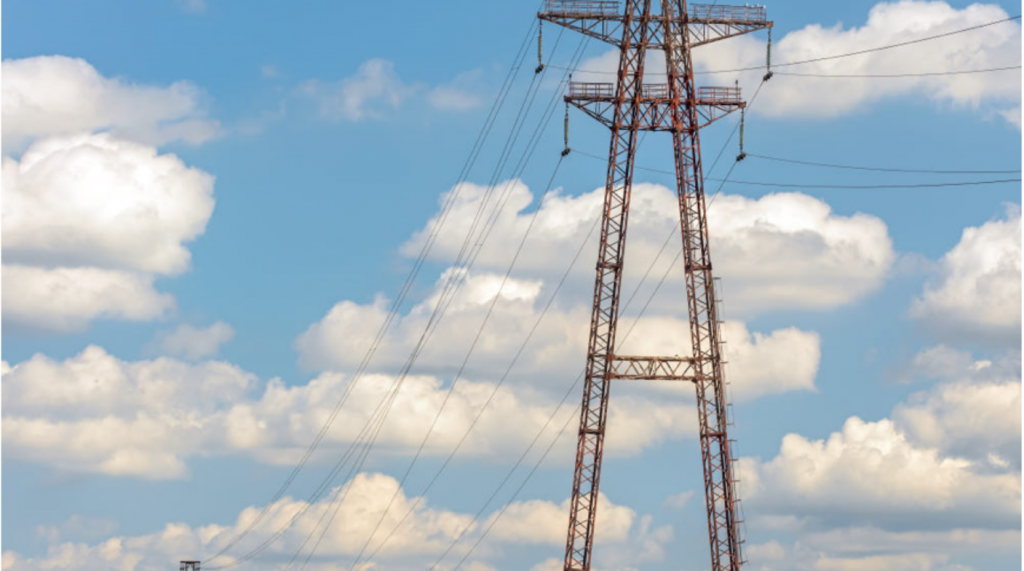
Power system flexibility: the ability to manage change
ICT aspects of TSO-DSO interaction
Data exchange and ICT requirements along organizational interaction between TSO and DSO
System Efficiency
In the era of deployment of a smarter and more sustainable energy system, an overall perspective of system efficiency becomes increasingly important.
Single Marketplace for Flexibility
To use this flexibility in a coordinated way, an ever closer cooperation between System Operators will be required. Several approaches for the coordinated use of flexibility for system balancing and congestion management are imaginable.
The Smart and Strong Grid: Technology, Policy, and Finance to Connect People with Reliable Clean Energy
In the developing world, demand is growing rapidly, driving the need for massive investments in grids to connect more and more people while delivering high levels of service.