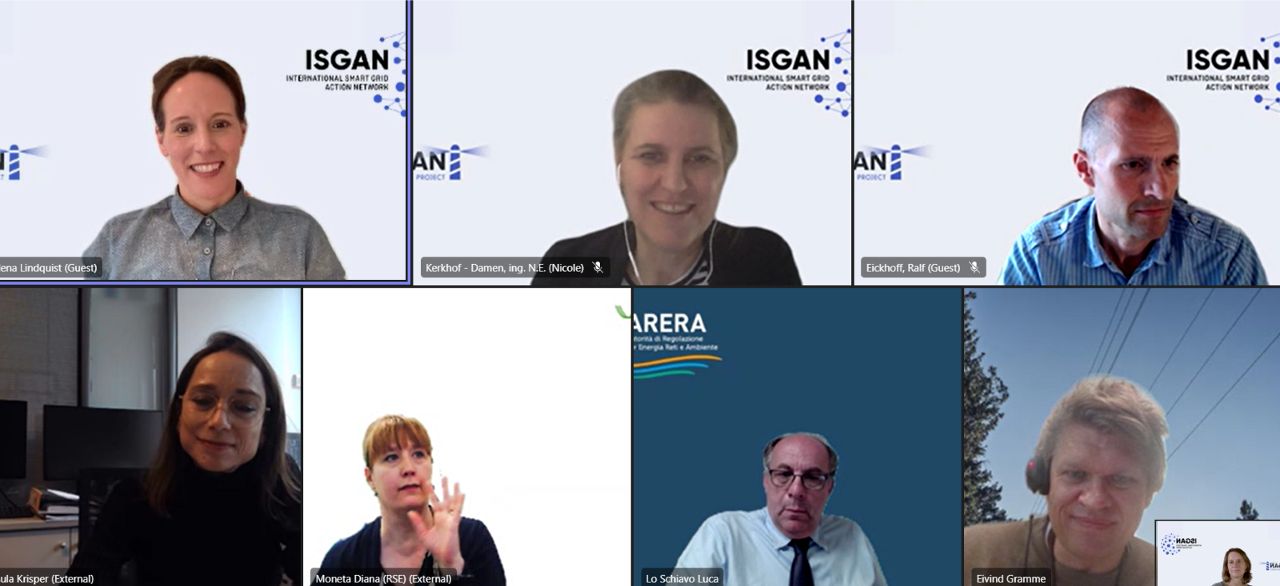
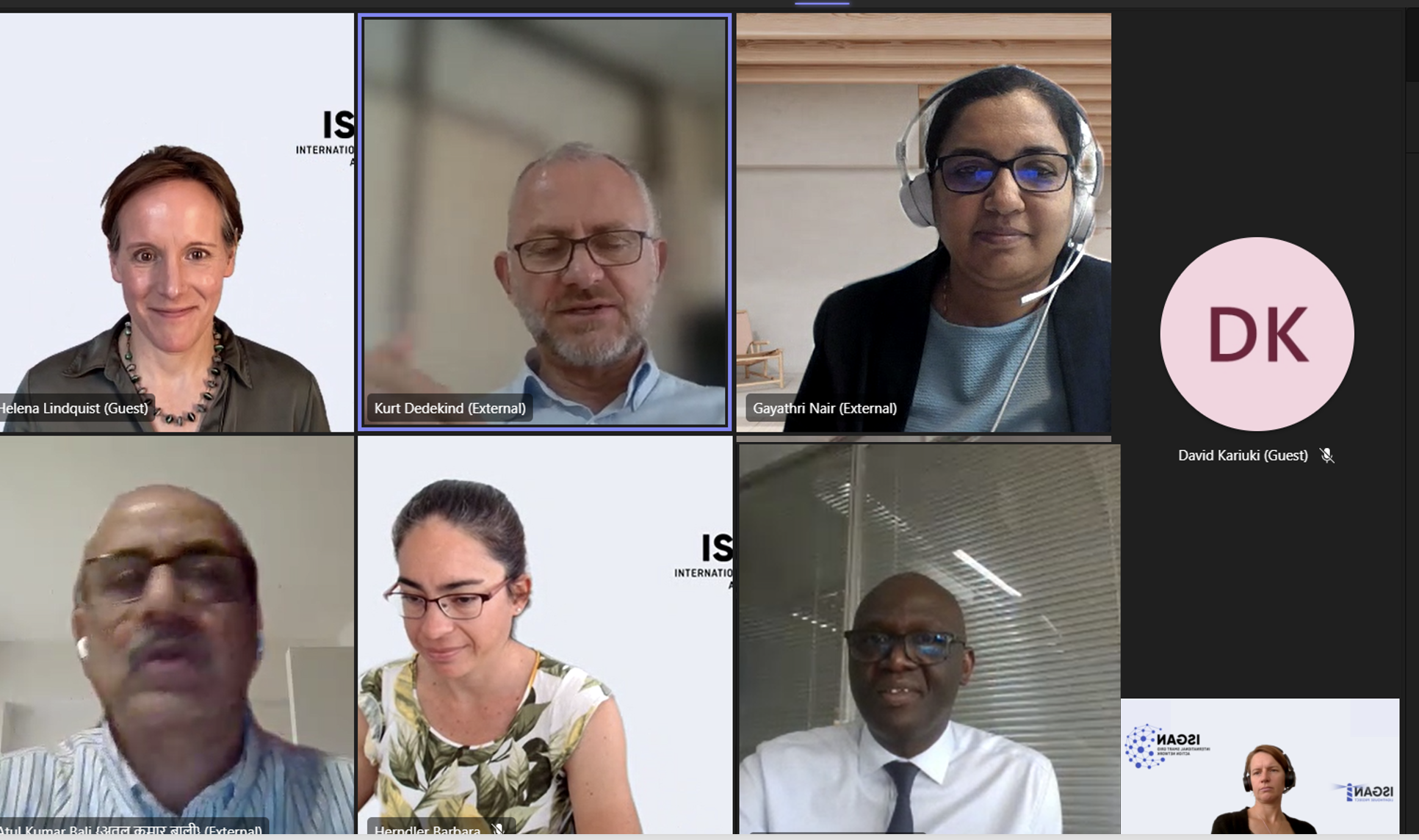
Three regions, three successful online workshops: The Lighthouse Project has completed the first round of regional workshops and has drawn a positive interim balance. At the meetings, experts from Central and South America (16 May 2024), Europe (23 May 2024), and India and Africa (28 May 2024) presented the status of distribution grid modernization in their respective countries and reported on both challenges and opportunities.
Having explored the experiences of national policymakers, regulators, and distribution grid operators from countries in these three global regions, it is evident that countries across these diverse geographies share many challenges, such as those related to the regulatory landscape, grid congestion, and issues concerning the availability and security of data. However, the context and preconditions to address these issues vary considerably between different countries and regions.

Some important findings for the Lighthouse Project:
Challenges
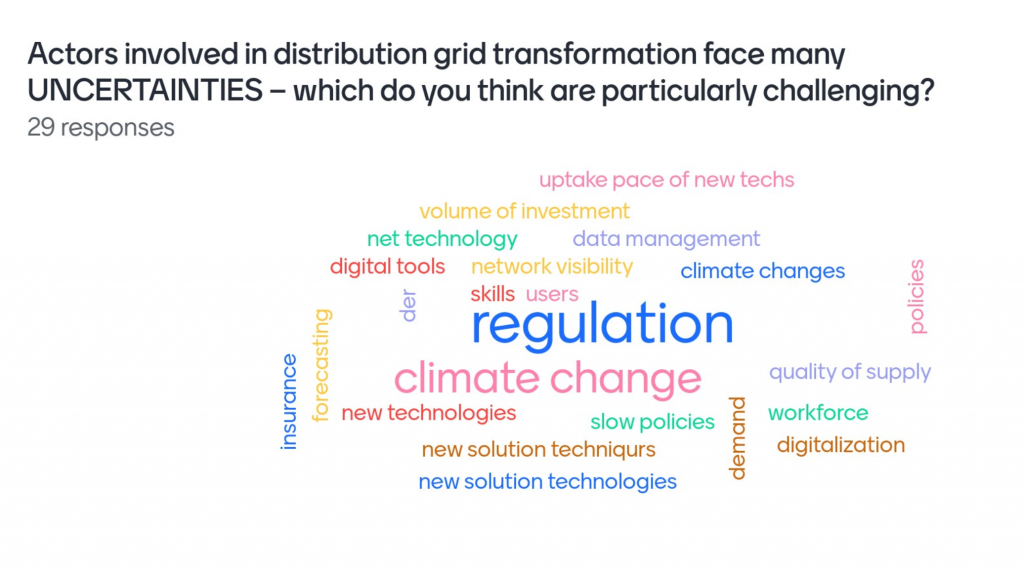
In all workshops, speakers expressed their views on regulatory uncertainties, which are seen as a major source of concern. For example, the roles and responsibilities of key actors are not always clearly defined, the speed of technology development is not matched by regulatory adaptations, and there are often insufficient incentives for grid investment.
The issue of data was another shared concern, particularly since access, quality, and exchange of data are crucial for planning processes to pave the way for smart distribution grids. Forecasting load and demand from decentralized Renewable Energy Sources (RES) and their integration into power systems is also a common challenge. Finally, the financial aspects of investment are a major source of uncertainty. Significant investments are needed, which require appropriate financing methods to ensure profitability.
Region-specific aspects
The socio-economic, political, and geographic preconditions differ greatly between these global regions, as do the drivers behind efforts to modernize distribution grids with smart solutions.
While Europe is primarily focused on transforming its energy system to achieve climate neutrality, many countries in Africa, South America, and India are also simultaneously striving to achieve full electrification for all citizens to foster socio-economic development.
Although accelerating global heating causes calamities in all regions of the world, workshop speakers from South/Central America particularly emphasized the acute challenges caused by climate conditions and events in their countries. In particularly affected areas, grids can benefit from efforts to improve resilience.
Different regions also have diverse technical and implementation developments that need to be considered in planning processes. In many African countries, for example, there are areas currently lacking grid connection. Microgrids not connected to national grids are increasingly common in this region and offer benefits for local communities. The stability and maturity of institutional and regulatory frameworks also differ significantly between regions. The speed of development in some geographies, such as India, which experiences rapid economic and social growth, is another challenge that requires quick deployment of scalable smart grid solutions.
Promising approaches
Speakers from all regions mentioned that trust-based cooperation and increased data exchange are crucial for an improved distribution grid planning process. This includes all involved stakeholders, ranging from national policymakers, regulators, transmission and distribution grid operators, solution providers, and end-users.
Regulatory frameworks that incentivize proactive planning and investments, such as tariff adaptation or smart meter roll-out, are also crucial and key enablers. The digitalization of the electricity grid using smart meters, sensors, data analytics, and automation technologies offers enormous potential for improving the efficiency, reliability, and flexibility of the grid.
Join us in the forthcoming workshops!
We will conclude the Global Workshop Series in September with two more opportunities to learn about the development of smart distribution grids in the Asia and Pacific region (12 September 2024) and North America (17 September 2024). Register soon to secure a place!
Further information
If you like to learn more about the Lighthouse Project on Smart Distribution Grids, subscribe to our newsletter and check out these articles:
Global workshop series: Lighthouse experts explore distribution grid transformation worldwide
Next step of Lighthouse Project: Experts structure collected content
Co-creating Insights on Planning and Implementation of Smart Distribution Grids for the Future
ISGAN Lighthouse Project Workshop Welcomes Keynote Speakers from UNICEF
New takeaways from ISGAN Lighthouse Project
ISGAN Lighthouse Project: Illuminating Pathways for Smart Grid Development