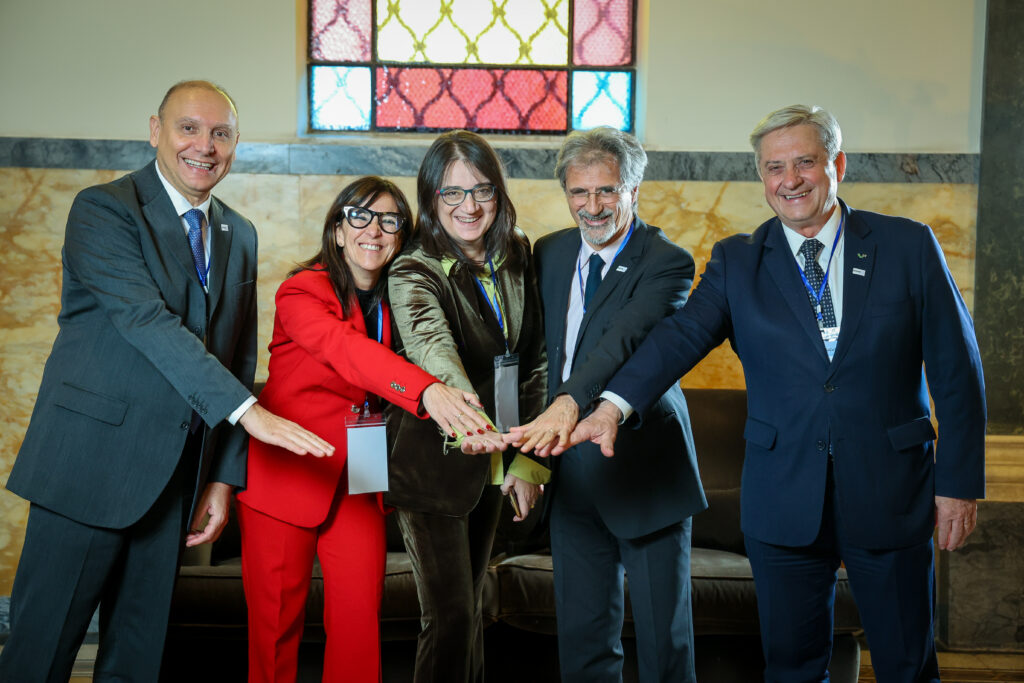
The 31st meeting of the ISGAN Executive Committee (ExCo31), which took place from 17th and 19th March 2026, brought together over 30 delegates from 17 member countries and the European Commission for three days of strategic discussions, knowledge exchange, and technical dialogue. Hosted by Ricerca sul Sistema Energetico (RSE) in Rome, Italy, the meeting reinforced ISGAN’s role as a global platform for advancing smart grid development through international collaboration.
ISGAN Chair Luciano Martini opened the meeting, after which representatives from the Italian Ministry of Environment and Energy Security (MASE) Marilena Barbaro, Director General of Energy Sources and Qualifications, and Stefania Crotta, Director General of Programmes and Financial Incentives, gave keynote speeches on the importance of smart grids in achieving national and European energy transition objectives. The opening session also featured speeches by Franco Cotana, CEO of RSE, who presented RSE’s activities at the national and international levels, and Michele de Nigris, who updated attendees on the international activities of the International Energy Agency (IEA) Coordination Group on Energy System Flexibility, which he chairs.
On the first day, the delegates also heard updates from ISGAN’s parent organisations. IEA Energy Analyst Brendan Reidenbach presented the latest IEA reports, including Electricity 2026 and World Energy Employment 2025, which highlight insufficient investment in grids relative to generation expansion; recent events such as the IEA Ministerial Meeting, and the outcomes of the 3DEN initiative, a collaboration between the IEA, MASE, and the United Nations Environment Programme, focusing on accelerating of power system modernisation through digitalisation, smart grid solutions and demand-side resource integration. Vincenzo Franza, the Clean Energy Ministerial (CEM) Partnerships Manager, outlined the CEM’s 2026 priorities for the power sector, as set out in the CEM Agenda for Action, including investment in power infrastructure, the AI-energy nexus, and new drivers of electricity demand.
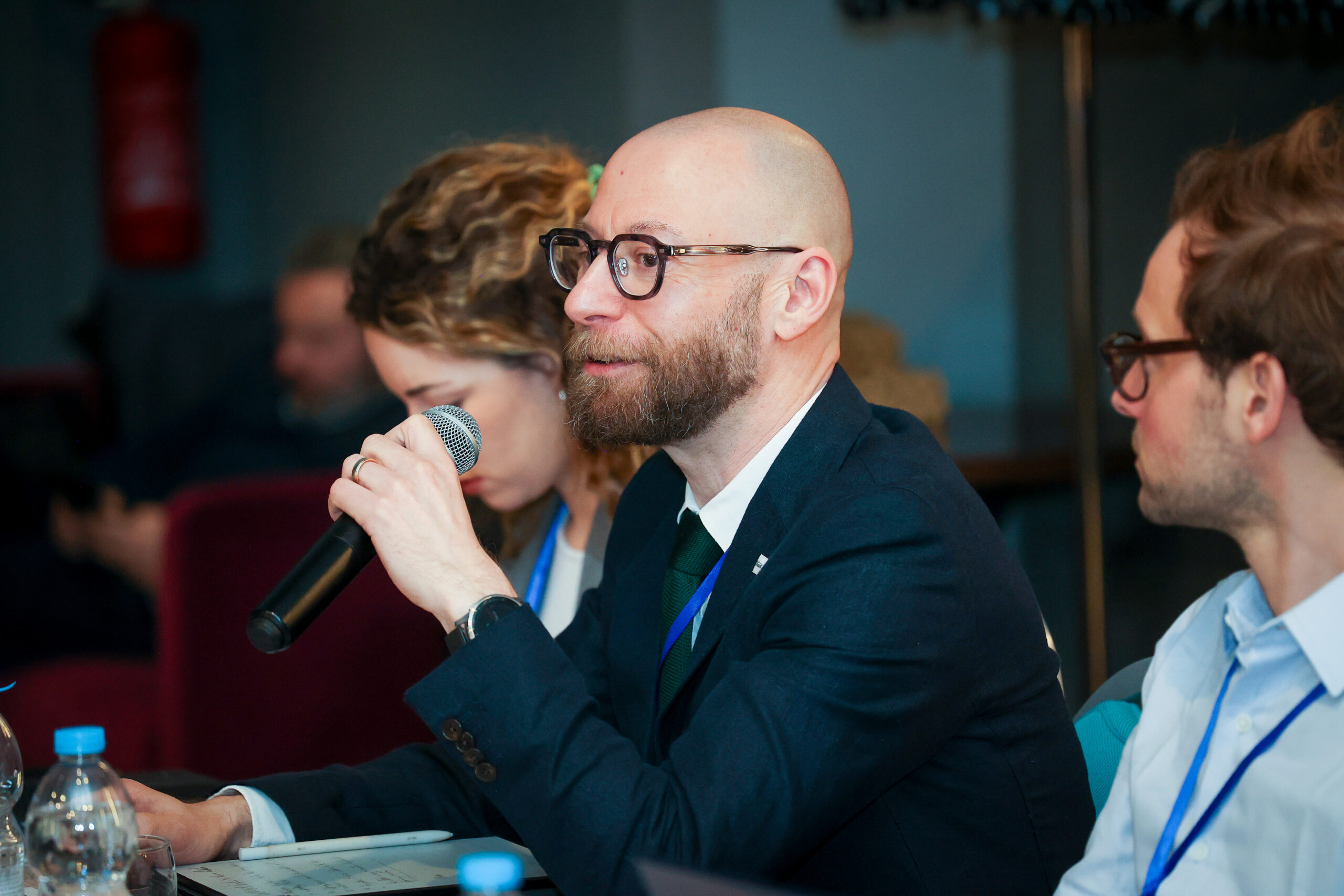
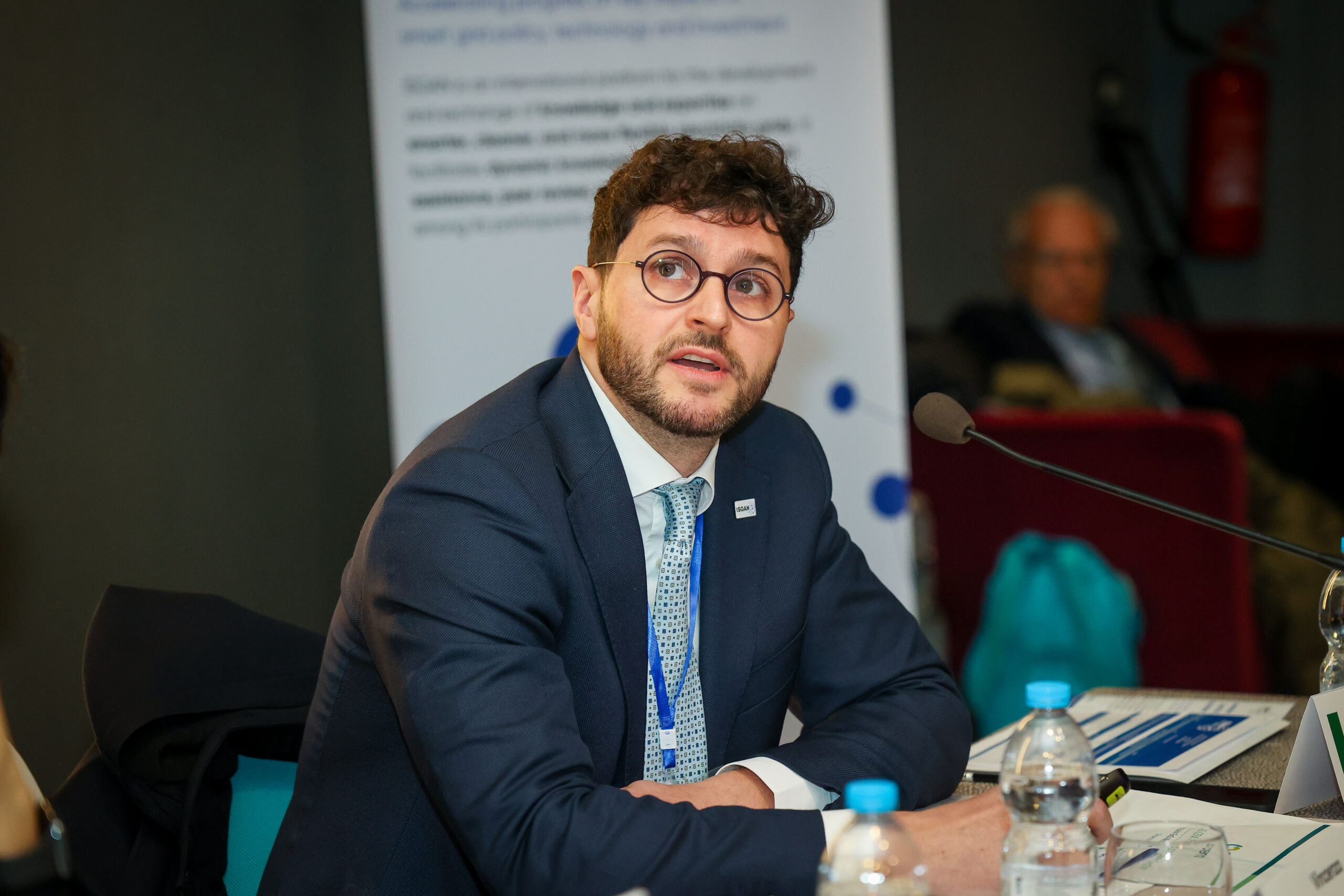
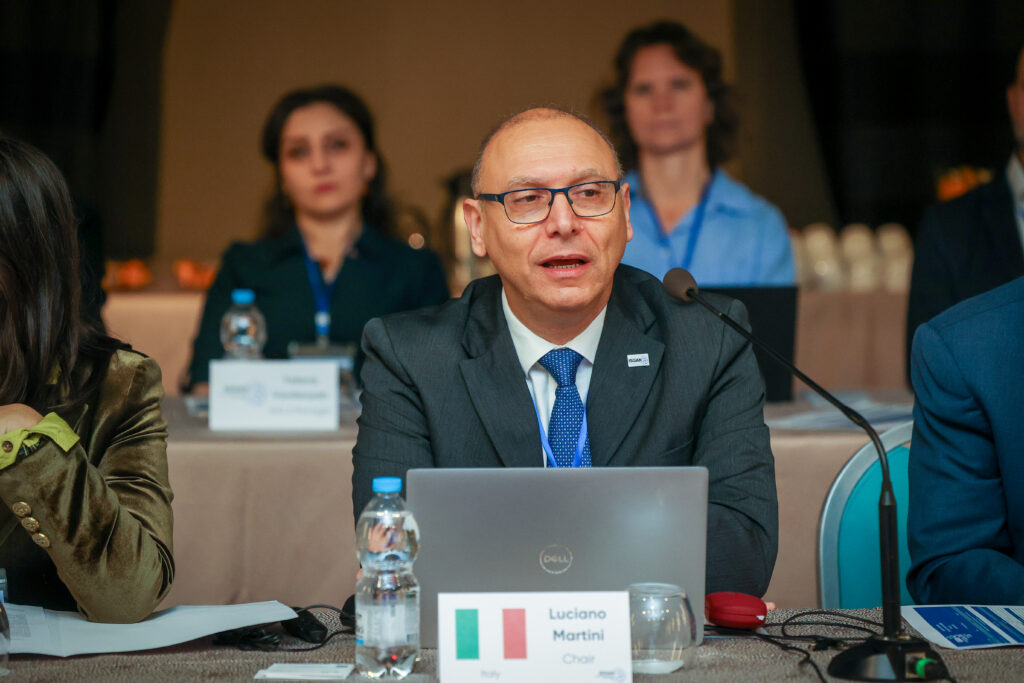
The discussion then moved on to collaborations between ISGAN and other initiatives and IEA Technology Collaboration Programmes (TCPs). These include an upcoming webinar with the High Temperature Superconductivity (HTS) TCP, a Memorandum of Understanding with the Green Powered Future Mission (GPFM), and collaborations with the Global Smart Energy Federation (GSEF), the Global Power System Transformation Consortium (G-PST), the Hydrogen TCP, the European Technology and Innovation Platform for Smart Networks for Energy Transition (ETIP SNET), the International Council on Large Electric Systems (CIGRE), and the Clean Energy Transition (CET) Partnership. Finally, the Executive Committee re-elected Luciano Martini as Chair and approved the budget for the 2026–2027 fiscal year.
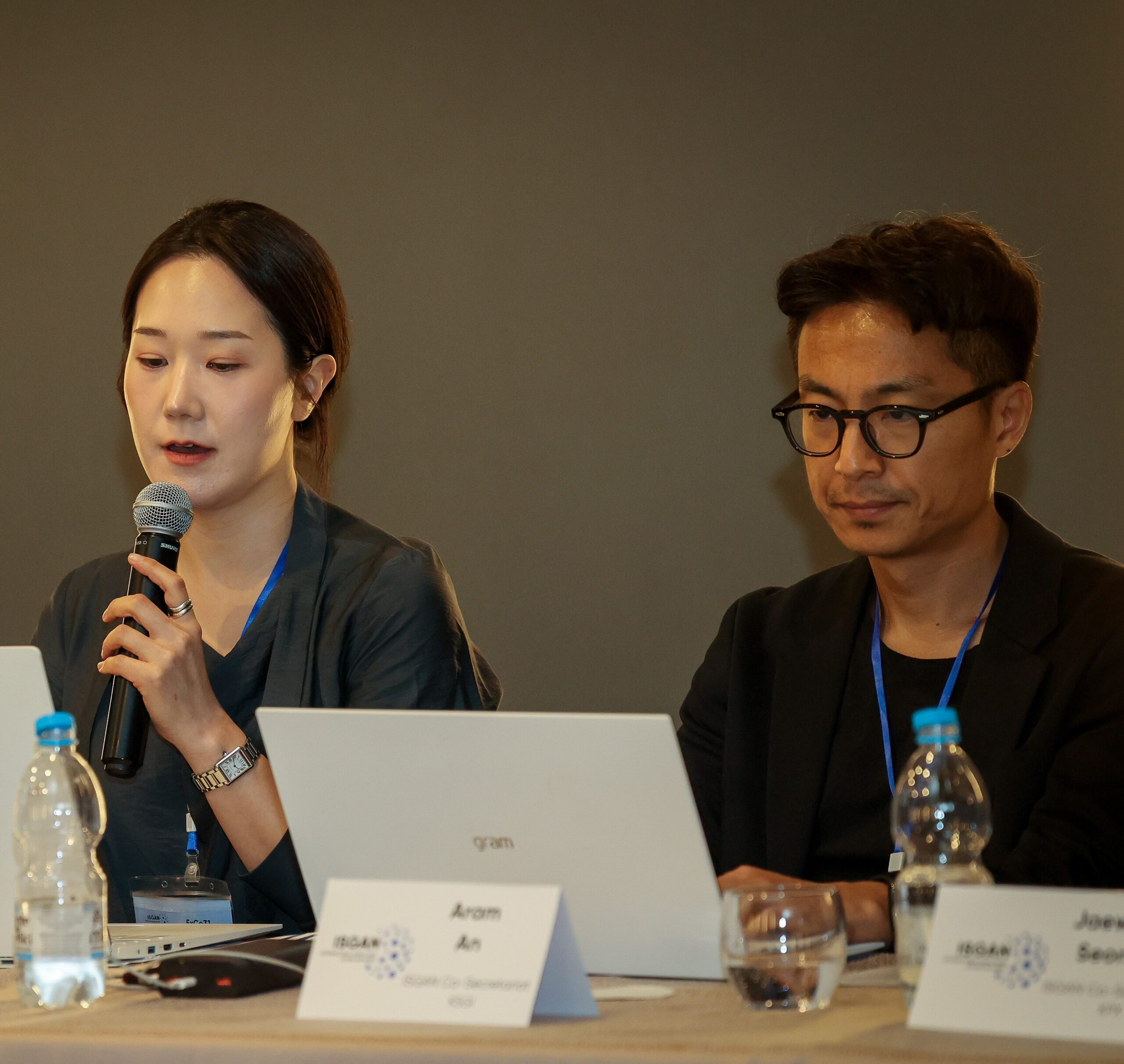
Day 2 began with reports from the Secretariats held by the Korea Smart Grid Institute and Zabala Innovation. The former provided updates on the ISGAN Awards of Excellence, which will soon open for nominations, as well as on CEM outreach and Asia coordination. Zabala then provided a summary of their activities within their work packages, including Presidium support, ExCo meeting organisation, Common Fund management, and communication.
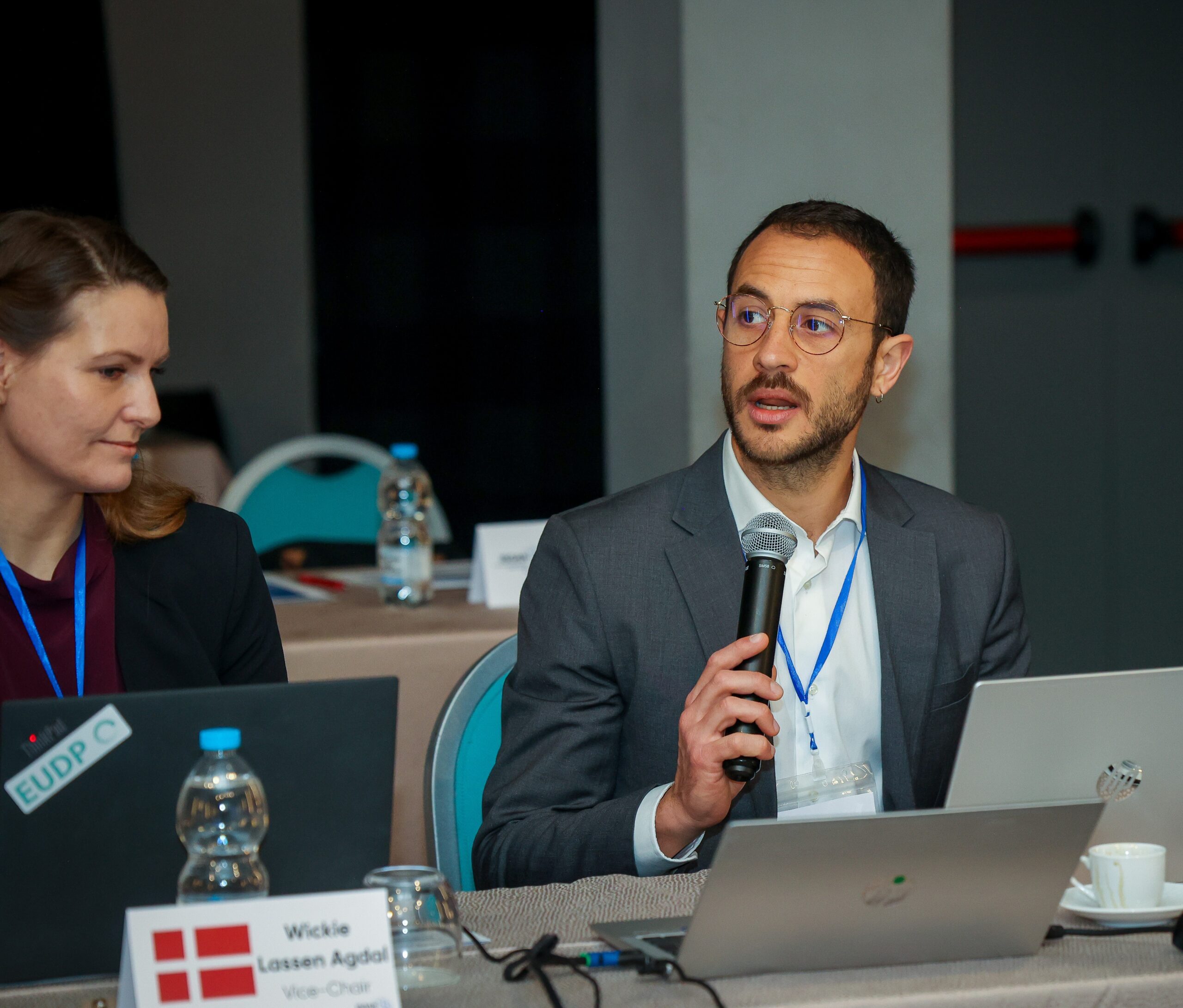
ExCo representatives also discussed the Request for Extension, through which TCPs seek the IEA’s approval to extend their term, which in ISGAN’s case will end in February 2027. Working Group managers presented their programmes of work for 2026, which were subsequently approved by the participating countries and the entire ExCo.
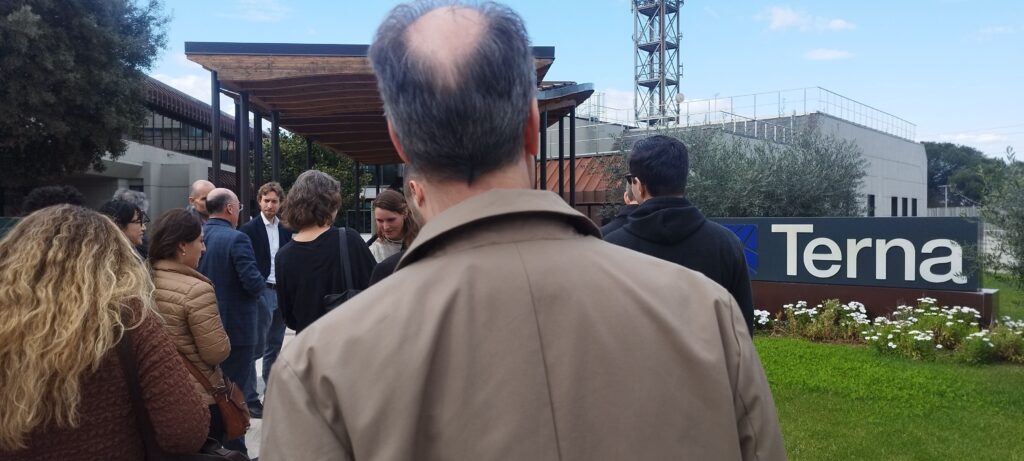
The third day was devoted to the ISGAN Awards, updates on communication activities, and organising the next ExCo meetings. In the afternoon, delegates visited Terna’s National Control Centre. As the transmission system operator, Terna controls the flow of energy through the national transmission grid and cross-border interconnections, maintaining a balance between supply and demand and managing the market for dispatching services in Italy.
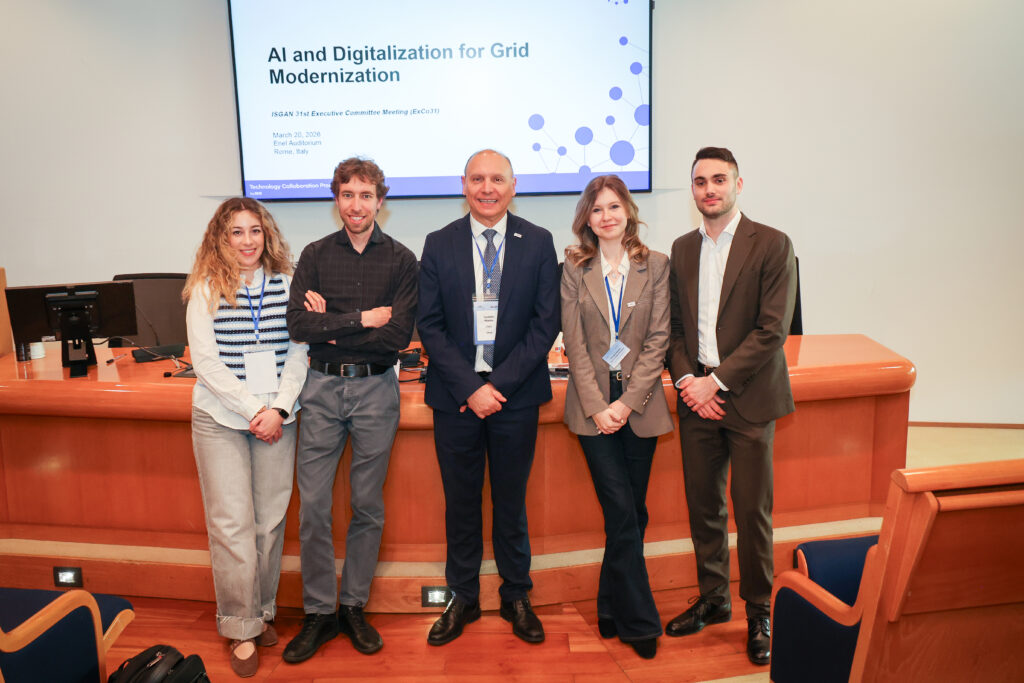
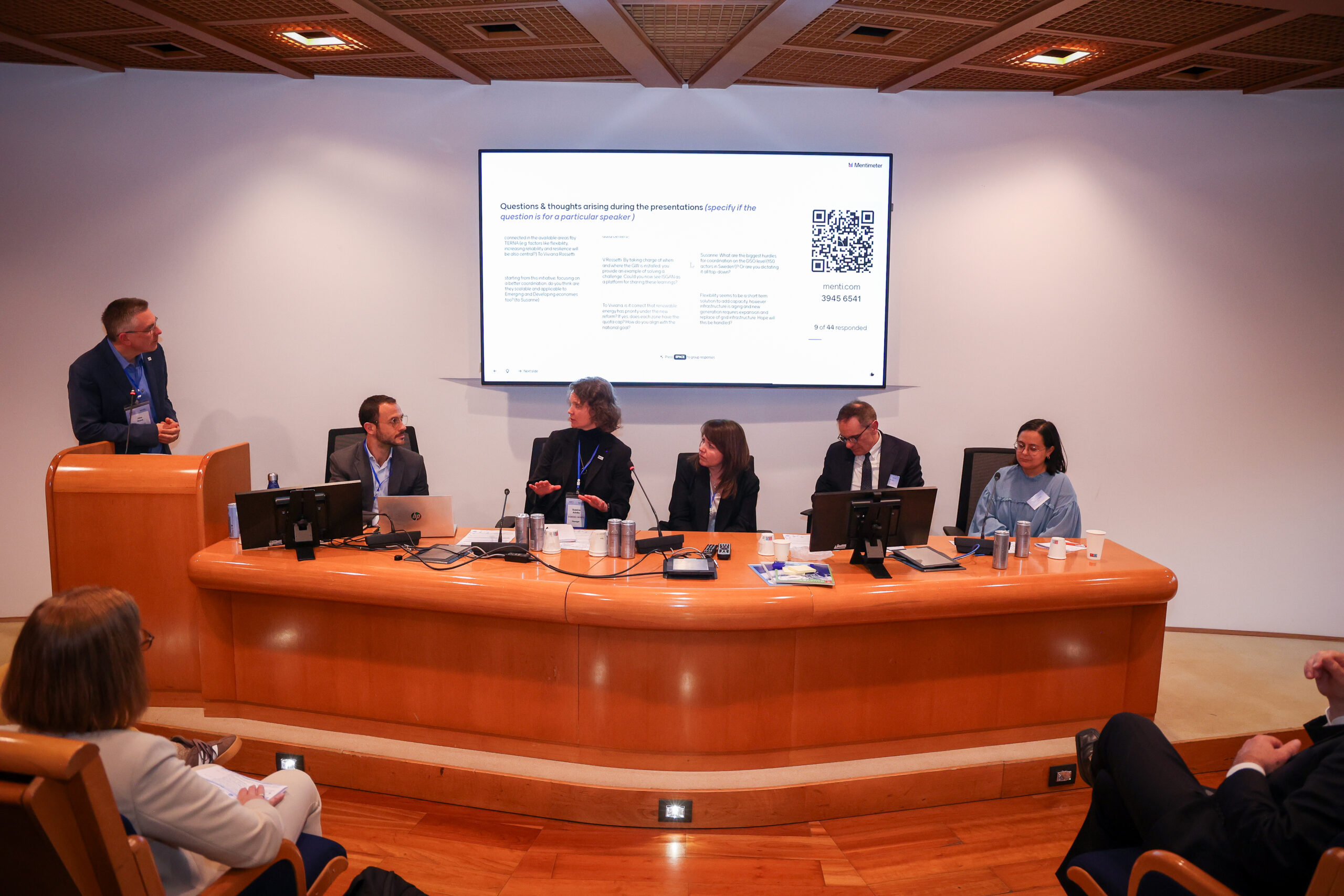
Alongside ExCo31, ISGAN organised two workshops in the Enel Auditorium. The first of them, held on 16 March, focused on the Lighthouse Project: Long-Term Planning and Implementation of Smart Distribution Grids, exploring how grid planning must evolve to address increasing system complexity. The second workshop, held on 20 March, focused on AI and digitalisation for grid modernisation, addressing the growing role of artificial intelligence in transforming power systems. A total of over 70 people attended the workshops, which brought together national and international experts, policymakers, researchers, and industry representatives.
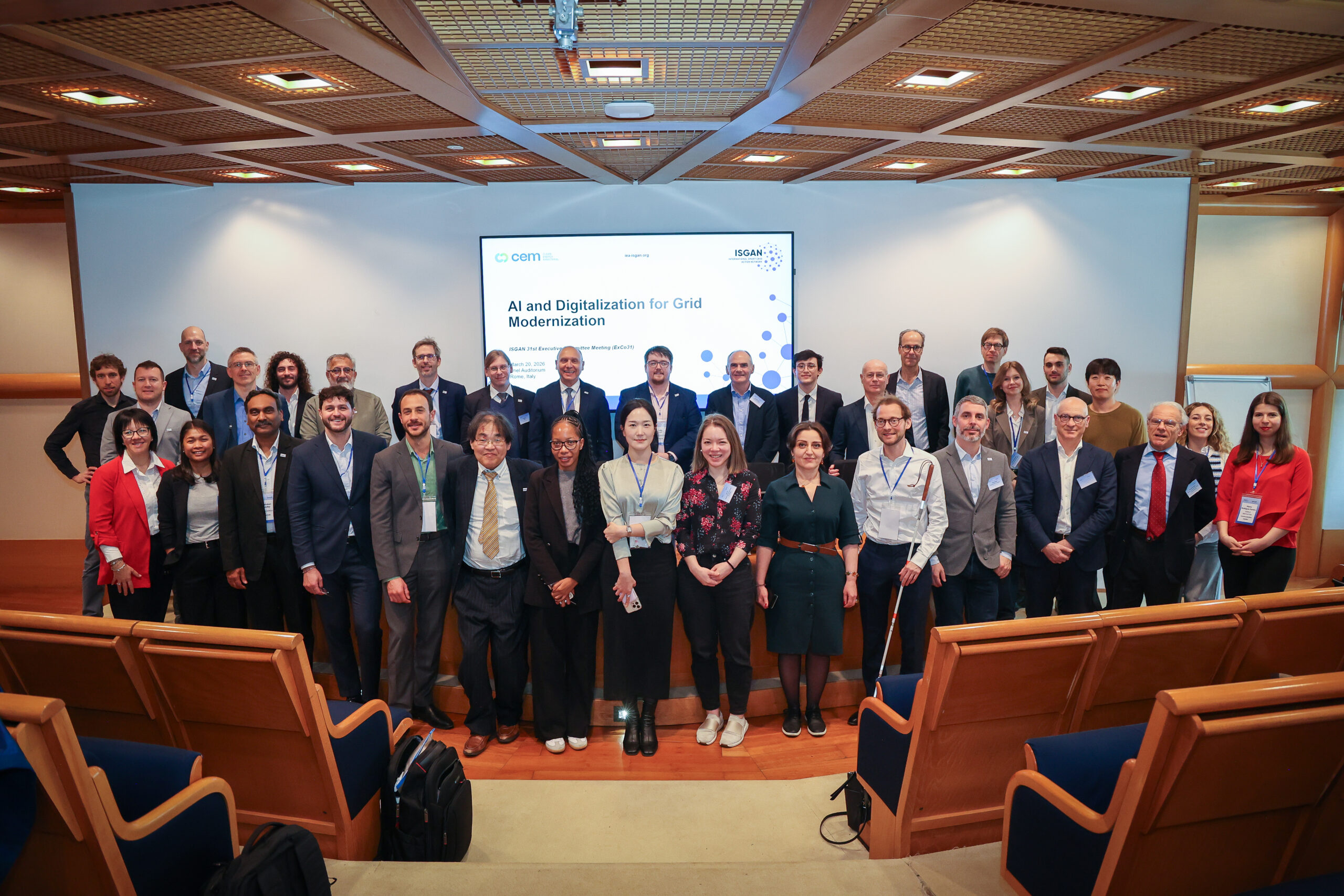
ExCo31 and its associated workshops demonstrated ISGAN’s unique ability to connect technical expertise with policy and regulatory dialogue, translate innovation into actionable system-level insights, and foster collaboration between countries, institutions, and stakeholders. We would like to thank Luciano Martini and the RSE team, as well as Antonio Iliceto from Terna for organising and hosting the meeting and side events.